
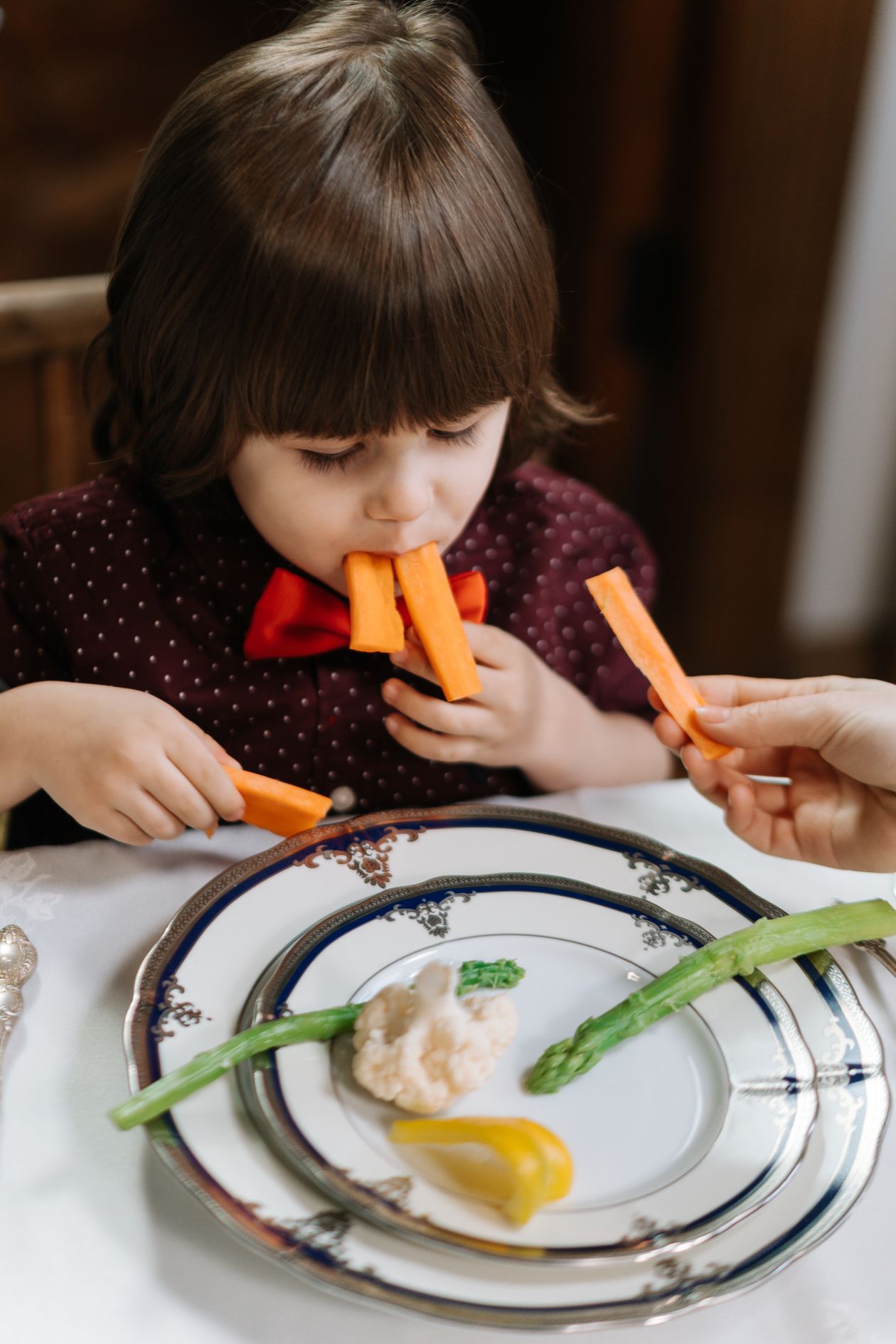
I spent 20 years cooking professionally. I could run a line, plate for a full dining room, and fix a dish mid-service without breaking a sweat. The hardest person I have ever had to feed is my own son.
People call it picky eating. I used to as well.
My son is non-verbal, so he can't tell me a food is wrong. He shows me. A texture hits wrong and the meal is just... over. His body said no, and that's the whole conversation. For years I treated that like a kitchen problem I should be able to solve. If I just found the right recipe, the right presentation, the right trick. Chefs are stubborn like that.
What the research actually measured
A new study measured mealtime in 48 autistic kids and their parents, and the results read like they were taken at my table:
- Narrowness was the #1 problem. The single biggest feeding issue turned out to be how few foods made the cut at all. Limited variety scored higher than food refusal, higher than disruptive behaviour... higher than everything.
- A third of the kids were overweight. That sounds impossible until you live it: when only a short list of foods gets through, the foods on that list tend to be the calorie-dense, processed, predictable ones. Too many calories and missing nutrients can absolutely happen in the same kid, off the same tiny menu.
- Parents hand over the menu. The most common parent strategy was letting the child control what and how much they eat. Of course it is. When every meal risks a meltdown, you stop fighting for variety and you protect the peace.
- It wears parents down, measurably. The worse the mealtime problems, the worse parents rated their child's quality of life and their own. This isn't in your head. They put numbers on it.
The chef reframe that finally helped me
In a kitchen, if a dish keeps coming back untouched, a good chef doesn't blame the diner. You read the plate. Something on it is wrong... temperature, texture, seasoning, timing.
Our kids are giving us that feedback constantly. We just have to read it in a different language:
- Texture is information. Crunchy-safe and slimy-never is a real, consistent data set. Track it long enough and it predicts the whole menu.
- Same brand, same shape, same plate is information. In a world that comes at him loud and unpredictable, dinner being exactly the same is a feature. A load-bearing one.
- Refusing is information. A non-verbal kid turning away from a food is communicating. It's one of the clearest sentences he has.
Once I started cooking to the brief instead of against it, our table got calmer. Same short menu... way less dread around it.
What actually works at our table
- Fed is the goal. A safe food eaten happily beats a "better" food that turns dinner into a battleground. The study backs this up. Peace at the table is a health outcome too.
- One safe food, one no-pressure food. His plate has what he trusts, plus something new nearby... on a side plate, no bites required, no commentary. Exposure without a performance.
- Don't narrate the meal. No "just try it," no celebrating bites, no mourning the untouched food. Pressure is a seasoning everybody can taste.
- Cook once, plate twice. I make one family meal and plate his version from the same pan... the parts he'll eat, arranged the way he expects. Nobody gets a separate short-order shift.
- Keep the variables boring. Same brand, same cut, same plate, same spot. Save the novelty for things that aren't dinner.
A lot of autism households end up gluten-free somewhere along the way, us included. I put together a free gluten-free cookbook over on s4rah.dev for exactly that reason. If that's your house too, go grab it.
Don't give up, and I say that carefully
Everything above is about taking pressure off. Stopping was never part of it.
I simply never stopped offering. The side plate kept showing up, year after year... no bites required, no commentary, but it kept showing up. And slowly, on his timeline, the menu widened.
Today my son eats a wide plate. His favourite foods are carrots 🥕, beef jerky, and cantaloupe. People get defensive when I say that, like I'm claiming it happens for every kid, or that parents whose kids aren't there yet aren't trying hard enough. I'm claiming neither. I'm saying nobody gets to declare it impossible. It happened here... in this house, at this table.
Offering isn't pressure when nothing is demanded back. The offer is just the door staying open. Keep the door open.
Final Thoughts
If dinner at your house is the same three foods on rotation, you are not failing, and your kid is not broken. Researchers have now measured what we've all been living: the narrow menu comes with the diagnosis. It says nothing about his character... or yours.
Cook to the brief. Protect the peace. Keep offering. Fed and calm and together beats a perfect plate nobody ate.
0 Comments
No comments yet. Be the first!
Leave a Comment